Best Bed Bug Treatment for Midwest Homes
November 10, 2026 · Regional Pest Guide Team · midwest bed-bugs
Disclosure: This post contains affiliate links. As an Amazon Associate I earn from qualifying purchases. See our disclosure policy for details.
Why Midwest Homes See Bed Bug Spikes in Fall and Winter
Bed bugs do not wait for warm weather to keep breeding indoors. In Midwest homes, pressure climbs in fall and winter for reasons that have little to do with outdoor climate and everything to do with how people move and how buildings are heated.
Holiday travel is the first driver. November and December put more Midwest households through hotels, airports, rideshares, and guest rooms. A few hitchhikers in a suitcase seam or on a coat cuff are enough to seed a bedroom. If travel is part of your season, pair any treatment plan with the habits in our bed bug prevention tips for travelers guide so the next trip does not undo the work.
Housing stock is the second driver. Chicago, Detroit, Minneapolis–St. Paul, Columbus, Cleveland, Indianapolis, and Milwaukee all carry large multi-unit inventories. Once bed bugs establish in one apartment, they move through wall voids, electrical penetrations, and shared hallways faster than they do in detached houses. A spray that only hits the mattress you can see will miss the population living one unit over.
Winter heating is the third. Forced-air and radiator heat keep indoor temperatures in the range bed bugs need to feed and lay eggs. Cold outdoor air does not pause an indoor infestation. Populations stay active on baseboards, bed frames, and upholstered furniture while the furnace runs.
Confirm what you are dealing with before you buy product. Live bugs, shed skins, and dark fecal spots along mattress seams and headboard cracks are the usual signs. For identification detail, use the bed bugs profile, then come back here for treatment choices built for Midwest homes.
What to Look for in a Bed Bug Treatment
A useful bed bug product does four jobs: it reaches the places bugs hide, it kills more than one life stage, it leaves a residual after it dries, and it matches the surfaces in a real bedroom.
Life stages. Adults are the easy target. Eggs and early nymphs hide deeper in seams, tufts, and cracks. Labels that name eggs and resistant strains are stronger picks than contact-only knockdown sprays.
Residual. Bed bugs do not all walk through a treated zone on day one. A formula that keeps working for days or weeks after it dries covers the bugs that emerge later. Extended residual matters in apartments where reintroduction from a neighboring unit is possible.
Surface fit. Mattresses, box springs, bed frames, baseboards, and upholstered chairs are the core treatment zone. Odorless, non-staining formulas matter when you are treating fabric-heavy rooms you still sleep in. Plant-based options matter for households that want that chemistry on bedding contact surfaces.
Scope tools. Ready-to-use sprays suit most single-room jobs. Larger residual jugs suit whole-home crack-and-crevice work. Foggers treat open volume in enclosed rooms and do not replace directed spray into seams and voids.
Resistance is a real limit on consumer products. Many bed bug populations no longer die cleanly from older pyrethroid chemistry. That is why repeat applications, thorough crack-and-crevice work, and laundering heat cycles matter more than swapping cans, and why heavy or recurring infestations belong with a licensed professional rather than a third round of the same spray. For a wider national product comparison beyond this Midwest shortlist, see best bed bug treatment products.
Best Bed Bug Treatments for Midwest Homes
Four picks, each mapped to a job Midwest households actually face. Application steps and safety rules sit in the next section so you can compare products first.
Default ready-to-use spray
Most readers need a directed indoor spray with a wand that reaches mattress seams, bed frames, and baseboards without mixing. This is the everyday starting point for a single bedroom or a first confirmed sighting.
| [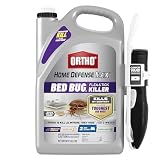](https://www.amazon.com/dp/B07YM6QZQV?tag=regionalpestguide-20&linkCode=ogi&th=1&psc=1&utm_source=regional-pest-guide&utm_medium=blog&utm_campaign=best-bed-bug-treatment-for-midwest-homes) **[Ortho Home Defense Max Bed Bug, Flea & Tick Killer, 1 gal. | Also Kills Bed Bug Eggs, Ready-to-Use, Indoor Pest Control Spray](https://www.amazon.com/dp/B07YM6QZQV?tag=regionalpestguide-20&linkCode=ogi&th=1&psc=1&utm_source=regional-pest-guide&utm_medium=blog&utm_campaign=best-bed-bug-treatment-for-midwest-homes)** ($23.97) |
Use it as a spot treatment on the furniture and edges where you have evidence, not as a whole-room mist.
Odorless residual for fabric-heavy bedrooms
Midwest bedrooms often hold carpet, curtains, upholstered headboards, and guest bedding that shows stains and holds odor. When you need extended residual without a strong smell, this gallon-format spray is the fit.

Plan coverage across bedrooms, living spaces, baseboards, cracks, and crevices rather than one mattress pass.
Plant-based option for lower-tox households
Some households want botanical chemistry for mattresses and box springs, especially with children or pets in the room. One plant-based slot is enough; stacking three similar sprays only adds noise.
| [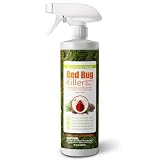](https://www.amazon.com/dp/B0077CPANQ?tag=regionalpestguide-20&linkCode=ogi&th=1&psc=1&utm_source=regional-pest-guide&utm_medium=blog&utm_campaign=best-bed-bug-treatment-for-midwest-homes) **[EcoVenger Bed Bug Killer Spray Plant-Based 16 oz by EcoRaider | 100% Efficacy Kills Bed bugs & Mites, Kills Eggs & the Resistant, Extended Production, USDA BIO-Certified, Child & Pet Safe](https://www.amazon.com/dp/B0077CPANQ?tag=regionalpestguide-20&linkCode=ogi&th=1&psc=1&utm_source=regional-pest-guide&utm_medium=blog&utm_campaign=best-bed-bug-treatment-for-midwest-homes)** ($19.95) |
It is the pick when chemistry preference is the decision driver and the infestation is still contained.
Fogger for multi-room volume only
Foggers fill enclosed airspace. They are not a precision seam tool. Reach for this slot only when you are treating several enclosed rooms as part of a wider plan, not as your only method.
| [](https://www.amazon.com/dp/B0047P8G96?tag=regionalpestguide-20&linkCode=ogi&th=1&psc=1&utm_source=regional-pest-guide&utm_medium=blog&utm_campaign=best-bed-bug-treatment-for-midwest-homes) **[Hot Shot Bedbug and Flea Fogger with Nylar 3 Count-2 Ounce Cans | Kills Bed Bugs, Fleas, Lice & Ticks, Inhibits Flea Reinfestation up to 7 Months, Use Indoors, Treats 2,000 Cu. Ft.](https://www.amazon.com/dp/B0047P8G96?tag=regionalpestguide-20&linkCode=ogi&th=1&psc=1&utm_source=regional-pest-guide&utm_medium=blog&utm_campaign=best-bed-bug-treatment-for-midwest-homes)** ($12.27) |
Treat bed bug work as knockdown support inside a spray-led plan, not as a cure by itself.
How to Apply Treatment Safely and Effectively
Product choice fails without sequence. Work the room in order so you do not chase bugs into clean zones.
- Strip the bed. Bag bedding, pillow covers, and movable curtains. Wash and dry on the highest heat the fabric allows, then seal clean items in bags until the room is finished.
- Vacuum mattress seams, box-spring edges, bed-frame joints, baseboards, outlet perimeters, and the carpet edge around the bed. Empty the canister or bag into a sealed trash bag and take it out of the home.
- Apply your primary spray to labeled surfaces: mattress seams, tufts, and folds; bed frames; baseboards; and cracks where walls meet trim. Keep the pass slow enough to wet the target without soaking padding.
- Pull furniture a few inches from the wall and treat the gap and the legs. Bed bugs ride furniture skirts and wall edges as often as they ride the mattress.
- If you use a fogger in a closed room, follow the can’s clearance and re-entry timing exactly, and still complete the directed spray work on seams and voids. Fog alone leaves protected harborages untouched.
- Repeat on the label’s interval. One application rarely ends an active population, especially in multi-unit buildings where reintroduction is possible.
On every product in this post, follow product label instructions; some pesticides require restricted-use applicator licenses. Read the room-clearance, pet, and bedding notes on the label before you spray. Do not improvise mix rates, shorten re-entry times, or apply outdoor products indoors.
Keep people and pets out of the treated room for the full label interval. Open windows only when the label allows. Store leftover product in the original container, away from heat and out of children’s reach.
Preventing Bed Bugs After Treatment
Treatment without follow-through invites a second wave, especially after holiday guests or a return trip.
Wash and heat-dry bedding on a fixed weekly cycle for several weeks after the last spray. Leave luggage on a hard floor or in a bathtub when you get home, and inspect zipper lines and interior pockets before the bag returns to a closet. Interceptors under bed legs help you spot new activity early. Seal obvious harborages: cracked baseboards, unscreened wall openings around pipes, and torn dust covers on box springs.
In apartments, tell building management when you find activity. A single-unit treatment often fails if the unit next door stays untreated. Monitor seams with a flashlight once a week rather than waiting for new bites.
Travel remains the common reintroduction path for Midwest households through fall and winter. The habits in bed bug prevention tips for travelers cover hotel inspection and luggage handling so prevention stays in place after the spray dries.
When to Call a Professional
DIY sprays handle early, contained activity in one or two rooms when you can launder, vacuum, and retreat on schedule. Call a professional when any of these show up:
- Live bugs in multiple rooms, or in a neighboring unit you can document
- Activity that returns after two complete, label-timed treatment cycles
- Infestation in a multi-unit building where you cannot access adjoining walls or shared voids
- Households that cannot complete heat laundering or room clearance on the label schedule
Resistant populations and heavy egg loads are the usual reason a second consumer spray fails. A licensed applicator can use tools and placements that sit outside homeowner product lines, and can coordinate multi-unit work with the property. If you need help vetting a company, use how to choose a pest control company before you sign a service agreement.
Act on evidence, not on fear of the season. Confirm the pest, match the product to the room, run the full application sequence, and escalate when the pattern says the job is bigger than a single bedroom.
🏡 More from EPM Labs:
- Lush Lawns — Complete lawn care guides
- Harvest Home Guides — Home gardening & harvest tips
- MowGuide — Mowing schedules & equipment reviews
- Gardening by Zone — Zone-specific planting guides
- LifeStarter — Life skills & adulting guides