Water Bugs vs. Cockroaches: How to Tell What's in Your Basement
October 23, 2026 · Regional Pest Guide Team · pest-identification cockroaches
Disclosure: This post contains affiliate links. As an Amazon Associate I earn from qualifying purchases. See our disclosure policy for details.
What most people mean by “water bug”
You flip on the basement light and something dark scurries under the water heater. It looks too big for a typical kitchen cockroach, so the name that comes out is “water bug.” That label covers several insects, and treating the wrong one wastes time.
In homes across the United States, the animal people call a water bug is usually an oriental cockroach, not a true aquatic insect. Oriental cockroaches favor cool, damp rooms. Basements, crawl spaces, floor drains, and the gap behind a washing machine fit that preference. Getting the ID right decides whether you dry and seal the room or go looking for a pond insect that never lived indoors.
A smaller share of sightings involve other moisture-linked pests that share the same dark corners. Spiders build web sheets near foundation cracks where humidity stays high. Rodents leave droppings and rub marks along the same damp runways cockroaches use. Sorting the cockroach from those neighbors starts with a clear look at body shape, movement, and where you found it.
Oriental cockroach: the usual basement “water bug”
Oriental cockroaches (Blatta orientalis) are the species most often behind basement calls. Adults reach about 1 to 1.25 inches. The body is shiny and dark brown to nearly black. Females have short wing pads and do not fly. Males have longer wings that cover most of the abdomen, yet they rarely take flight indoors. Both sexes run low to the ground with a steady, ground-hugging gait rather than the quick dart of a German cockroach on a countertop.
Several field marks separate them from other household cockroaches:
- Color stays dark and even. German cockroaches are lighter brown with two parallel stripes on the shield behind the head. American cockroaches are reddish brown and larger, often 1.5 inches or more.
- Preference for cool damp rooms. Oriental cockroaches show up near floor drains, sump pits, basement bathrooms, and exterior door thresholds. American cockroaches lean toward warmer utility rooms and commercial kitchens.
- Strong musty odor in heavy infestations. The smell comes from aggregation pheromones and fecal material in harborage cracks, not from the water itself.
- Seasonal peaks in shoulder months. Activity often rises in spring and fall when outdoor populations move along foundation walls and find gaps at sill plates, pipe penetrations, and worn door sweeps.
Egg cases (oothecae) are dark, roughly a quarter-inch long, and often tucked in gaps along baseboards or behind stored boxes. Nymphs look like smaller, wingless versions of the adults and use the same moist harborage.
If the insect you saw matches that profile, you are dealing with a cockroach problem tied to moisture and entry points, not a visiting water insect.
True water bugs and look-alikes you might actually find
A few real aquatic insects carry the “water bug” name, and they do turn up indoors on occasion. Knowing them keeps you from running a full cockroach protocol for a one-time visitor.
Giant water bugs (family Belostomatidae), sometimes sold in bait shops as “toe-biters,” are large, flat, brown true bugs with raptorial front legs. They live in ponds, lakes, and slow streams. Adults fly to lights at night and may land on siding or wander through an open basement door. They do not nest in homes, do not eat pantry goods, and do not leave the greasy rub marks cockroaches leave along baseboards. A single specimen near a lighted doorway after a warm evening is almost always a stray.
Water boatmen and backswimmers are much smaller aquatic bugs. They can appear in swimming pools, birdbaths, or flooded window wells. They belong outdoors in water, not in a dry living space.
People also mislabel other basement arthropods as water bugs:
- American cockroaches in commercial buildings or older multi-unit housing
- Pennsylvania wood cockroaches that hitchhike indoors on firewood
- Large dark beetles near foundation plantings
- House centipedes hunting in the same damp zones oriental cockroaches use
The practical test is simple. A breeding cockroach population leaves droppings that look like ground black pepper or larger dark cylinders, shed skins, and egg cases in repeated harborage spots. A true aquatic bug appears once, usually near a light or a door, with no trail of fecal spots behind the water heater.
Side-by-side checks you can do in under a minute
When you still have the insect (or a clear photo), work through these checks in order.
Where did you find it? Floor drain, sump, laundry standpipe, or basement bathroom points strongly to oriental cockroach. Window well water, pool cover, or a porch light after rain points toward a true water bug or other outdoor insect.
How does it move? Oriental cockroaches run and hide. They do not hop like crickets and do not swim by design, though they tolerate damp surfaces. Giant water bugs crawl with a flatter profile and may raise the front legs when disturbed.
What is the body built for? Cockroaches have long, thread-like antennae, a shield-like pronotum behind the head, and legs built for speed on solid ground. Giant water bugs have shorter antennae tucked under the head, a flatter oval body, and front legs built to grasp prey.
Are there signs of a population? Check the hinge side of the basement door, the gap behind the washer, and the rim of the floor drain for droppings, egg cases, and a musty smell. Population signs mean cockroaches. No signs plus a single large insect after a wet night means a stray.
Time of day. Oriental cockroaches are active in dark hours and scatter when lights come on. Finding several at once when you enter a dark basement is common with cockroaches and rare with aquatic strays.
Photograph the insect next to a coin if you plan to show it to a pest professional. Size and the shape of the pronotum are easier to judge with a scale reference.
Why basements draw oriental cockroaches
Oriental cockroaches need three things: moisture, cool shelter, and a way inside. Basements deliver all three when maintenance slips.
Standing water in a sump pit, a slow leak at a water-heater drain pan, condensation on cold-water pipes, and damp cardboard on a concrete floor keep humidity elevated. Clutter creates dark voids within a few feet of that moisture. Gaps at the sill plate, unscreened floor drains, door sweeps with daylight showing underneath, and open pipe chases give outdoor populations a path in from mulch beds, leaf piles, and storm drains.
Homes near older sewer laterals sometimes see oriental cockroaches move through drain lines. A dry floor drain with a dried-out P-trap is an open tunnel. Pouring enough water down unused drains to refill the trap blocks that route without chemicals.
Outdoor conditions matter. Heavy rain, irrigation that saturates the foundation line, and leaf litter piled against the house push cockroaches toward the structure. The insects are not seeking your pantry first. They are seeking stable humidity. Food residues in a basement fridge, pet dishes, and recycling bins turn a short visit into a settled harborage.
Prevention: drying out your basement
Identification without cleanup leaves the room ready for the next wave. Work the habitat first.
| Start with water. Fix obvious leaks at supply lines, drain connections, and the water heater. Insulate cold-water pipes that sweat in summer. Keep the sump pump working and the pit clear of debris so water does not sit for days. If the basement takes on water after storms, a compact automatic removal pump such as [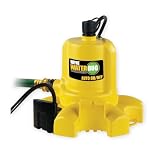](https://www.amazon.com/dp/B0HKTV6NPF?tag=regionalpestguide-20&linkCode=ogi&th=1&psc=1&utm_source=regional-pest-guide&utm_medium=blog&utm_campaign=water-bugs-vs-cockroaches-how-to-tell-what-s-in-your-basement) **[WAYNE WaterBug AUTO 1/6 HP Submersible Water Removal Pump 1350 GPH | Automatic On/Off | Top & Side Discharge | Clog Resistant | For Basements, Flood Cleanup, Window Wells & Yards](https://www.amazon.com/dp/B0HKTV6NPF?tag=regionalpestguide-20&linkCode=ogi&th=1&psc=1&utm_source=regional-pest-guide&utm_medium=blog&utm_campaign=water-bugs-vs-cockroaches-how-to-tell-what-s-in-your-basement)** ($229.00) can clear shallow standing water from floors, window wells, and low spots so the slab can dry. |
Raise the humidity target next. A dehumidifier sized for the square footage, with a drain hose to a sink or sump, pulls the room out of the range oriental cockroaches prefer. Aim for a steady reading under 50 percent relative humidity if the space allows it. Empty or plumb the dehumidifier so it does not become another stagnant reservoir.
Then remove harborage:
- Move cardboard boxes onto shelves. Replace soaked cardboard with plastic bins.
- Pull storage a few inches off the foundation wall so you can see droppings and treat cracks later if needed.
- Seal gaps at pipe penetrations with appropriate filler, and add a door sweep that touches the threshold along its full width.
- Screen floor drains and refill dry P-traps on a schedule.
- Clear mulch and leaf piles back from the foundation so outdoor populations are not pressed against entry points.
Vacuum visible cockroaches, egg cases, and droppings with a hose attachment, then empty the vacuum outside. That step cuts the population you can reach and removes some of the scent markers that draw others to the same crack.
Skip scattered home sprays on basement walls as a first move. Broadcast spraying rarely reaches the voids oriental cockroaches use and can scatter insects deeper into wall cavities. Drying, sealing, and sanitation do more work per hour than a can of contact killer on open concrete.
When a single sighting means a larger problem
One adult near a sump after a flood cleanup can be a lone traveler. Several adults or nymphs in different parts of the basement, egg cases in more than one crack, or a musty odor that returns after cleaning point to an established population.
Call a licensed professional when:
- You find cockroaches on upper floors as well as the basement, which suggests movement through wall voids or plumbing chases
- Someone in the home has asthma or a known cockroach allergy, because residual allergens in dust matter even after the live insects drop
- Drain-linked activity continues after traps are filled and leaks are fixed
- You want placement of baits or insect growth regulators in wall voids and other spots that are hard to reach without tools
Describe what you saw, where you saw it, and what moisture sources you already fixed. That history shortens the inspection. If a professional recommends a pesticide product for residual treatment or baiting, follow product label instructions; some pesticides require restricted-use applicator licenses. Ask what will be placed where, how long children and pets need to stay out of treated zones, and what follow-up visit is planned to check bait take and remaining activity.
A written plan that pairs exclusion and moisture control with any product use outperforms a one-visit spray. Oriental cockroaches rebound when the basement stays wet, no matter how thorough the first treatment looked.
Live with a drier basement, not a permanent patrol
Most “water bug” calls end the same way: the insect was an oriental cockroach, the basement stayed damp longer than the rest of the house, and entry gaps at the foundation line stayed open. Name the insect from body shape, color, and location. Dry the room, seal the routes, and clear the harborage against the slab. Keep true aquatic bugs in the mental file for one-off visitors after warm nights, not for recurring basement traffic.
If activity continues after the space is dry and sealed, bring in licensed help rather than stacking consumer sprays on concrete. The goal is a basement that no longer meets the humidity and shelter needs that drew the cockroaches in, so the next time the light comes on, the floor stays empty.
🏡 More from EPM Labs:
- Lush Lawns — Complete lawn care guides
- Harvest Home Guides — Home gardening & harvest tips
- MowGuide — Mowing schedules & equipment reviews
- Gardening by Zone — Zone-specific planting guides
- LifeStarter — Life skills & adulting guides