Best Cockroach Control Products for Southwest Homes
October 13, 2026 · Regional Pest Guide Team · southwest cockroaches
Disclosure: This post contains affiliate links. As an Amazon Associate I earn from qualifying purchases. See our disclosure policy for details.
Why Southwest Homes Get Roaches
Across the Southwest, cockroaches move indoors for the same reasons people do: heat, water, and shelter. Daytime temperatures regularly push past 95°F from Arizona through southern Nevada and into west Texas. At night, irrigated yards, drip lines, and air-conditioner condensate create cool, damp microclimates along foundation walls and under slab edges. That contrast draws both German cockroaches and American cockroaches toward kitchens, baths, and utility rooms.
German cockroaches are the smaller species you find in cabinets, under sinks, and behind refrigerator kickplates. They prefer warm indoor spaces with steady food crumbs and moisture. American cockroaches are larger and often enter from sewers, floor drains, garage thresholds, and exterior wall voids. In Phoenix, Tucson, Las Vegas, Albuquerque, and El Paso, monsoon moisture spikes outdoor harborages, then dry stretches drive both species indoors again. Drought years make the indoor migration sharper because outdoor water sources shrink while indoor kitchens keep running.
If you are still sorting species, start with the cockroach pest profile before you buy product. Size, egg case shape, and where you first see activity change which placement points matter. For a broader bait-and-trap comparison that is not region-locked, see our guide to best cockroach baits and traps. This post stays on Southwest housing stock: stucco cracks, slab homes, shared apartment walls, and the irrigation patterns that keep roaches close to the foundation year-round.
A practical first pass is simple. Note where you saw the insect, whether it was day or night, and whether droppings look like ground pepper (common with German activity) or larger dark pellets near drains and utility chases (more often American). Photograph the insect if you can. Then match control to the route, not to a generic spray you already own.
Best Baits and Gels for Southwest Homes
Baits outperform most aerosol sprays for indoor cockroach work because foraging insects carry active ingredient back to harborages. In Southwest kitchens, that matters: nests sit behind dishwashers, in cabinet hinge gaps, and inside wall voids where a surface spray never reaches. Use stations where you want a contained, child-resistant option. Use gels where you need thin lines in cracks sprays and bulky stations cannot fit. Use liquid baits when you want a food-plus-water lure that works fast in dry rooms.
When you place any chemical bait or gel, follow product label instructions; some pesticides require restricted-use applicator licenses. Keep placements away from open food, pet dishes, and areas children can reach. Do not spray cleaners or residual insecticides over fresh bait. Cleaners can repel roaches from the bait, and competing residues can slow feeding.
Lead pick for nest-level control with ready stations:
| [](https://www.amazon.com/dp/B001ACMBJK?tag=regionalpestguide-20&linkCode=ogi&th=1&psc=1&utm_source=regional-pest-guide&utm_medium=blog&utm_campaign=best-cockroach-control-products-for-southwest-homes) **[Combat Max Roach Killing Bait, Large Roaches, Kills the Nest, 8 Count | Targets large roaches at the source, eliminates nests, child-resistant design, unscented, kills for 3 months](https://www.amazon.com/dp/B001ACMBJK?tag=regionalpestguide-20&linkCode=ogi&th=1&psc=1&utm_source=regional-pest-guide&utm_medium=blog&utm_campaign=best-cockroach-control-products-for-southwest-homes)** ($8.09) |
Gel option when you need volume and precise lines behind appliances:
| [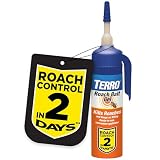](https://www.amazon.com/dp/B09F7Q9VSS?tag=regionalpestguide-20&linkCode=ogi&th=1&psc=1&utm_source=regional-pest-guide&utm_medium=blog&utm_campaign=best-cockroach-control-products-for-southwest-homes) **[TERRO Cockroach Gel Bait Killer, 84g of Bait, Fast-Acting Roach Killer | Indoor Infestation Control for German, American & Oriental Roaches, Precision Applicator, Use in Kitchen, Bathroom, Basements](https://www.amazon.com/dp/B09F7Q9VSS?tag=regionalpestguide-20&linkCode=ogi&th=1&psc=1&utm_source=regional-pest-guide&utm_medium=blog&utm_campaign=best-cockroach-control-products-for-southwest-homes)** ($19.99) |
Fast-acting liquid bait stations for kitchens and baths where roaches keep returning to moisture:
 Hot Shot Ultra Liquid Roach Bait 6 Count, Kills In Hours, 1 Pack ($10.48)
Gel and multi-tube alternates when you are covering several rooms or reapplying after a partial knockdown:

 Roach Gel Bait Insect Control Indoor Ready to Use Roach Killer - 4Tubes x 30gms ($24.99)
Placement beats product count. Put stations and gel dots along walls, under sinks, behind the stove, beside the dishwasher hose, inside lower cabinet corners, and near water heaters. In slab homes common across the Southwest, also check the garage-to-house door threshold and any laundry drain. Start with fewer, well-chosen points. Check them every few days. Reapply gel when dots are gone or dried out. Expect activity to rise briefly as foragers leave harborages to feed; that is a feeding response, not proof the program failed.
Skip broadcast fogging as your primary indoor plan. Fog drives roaches deeper into walls and can scatter an apartment infestation into neighboring units. Bait first. Seal second. Call a pro if you see live insects in daylight after two solid weeks of baiting, or if you find activity in multiple rooms that do not share plumbing.
Roach Control in Apartments and Rentals
Apartments and rentals are where Southwest cockroach jobs stall. A single kitchen can look clean and still reload from a shared wall void, a common trash chute, or a neighbor’s untreated unit. German cockroaches exploit that layout. They move through electrical outlets, plumbing penetrations, and hollow baseboards faster than most tenants can seal on a weekend.
Start with entry points you control without altering the building. Install door sweeps on the unit entry and the patio or balcony door if you have one. Fit foam gaskets behind switch and outlet plates on shared walls. Seal gaps around the kitchen sink plumbing with removable caulk or escutcheon plates you can take when you move. Mesh over bathroom fan ducts if the grille is open to a shaft. Do not block dryer vents or combustion-appliance intakes. Those need clear airflow.
Shared-wall reinfestation is the core problem. If you bait only your side, foragers from the unit next door keep walking the same pipe chase. Place gel in thin dots inside your cabinet corners and along your kickplates, then ask management to treat the adjacent unit and the common laundry or trash room on the same schedule. Building-wide timing matters more than brand choice. A partial treatment on one floor leaves a reservoir.
Landlord and lease constraints shape what you can do. Many leases bar tenants from applying liquid residual sprays in common walls or from drilling into fire-rated assemblies. Bait stations and small gel dots inside your cabinets usually stay inside tenant-controlled space, but read the lease and the building rules first. Photograph activity, droppings, and any gaps before you write maintenance. Request service in writing and keep the dates. If a licensed technician is already under contract for the property, ask which product class they use and when the next visit is. Layering a second chemistry over a fresh professional application can reduce feeding on both.
Kitchen habits in rentals need a tighter loop than in detached homes because storage is smaller and trash sits closer to living space. Empty the under-sink bin nightly during an active infestation. Do not leave pet food down overnight. Wipe the stove rim and the refrigerator door seal where grease collects. Pull the fridge a few inches once a week if the lease allows and vacuum the coil dust and floor edge. In older Southwest complexes with swamp coolers or window AC units, check the drip pan and the window track. Standing water there is a nightly stop for American cockroaches climbing from exterior landscaping.
Bathrooms deserve equal attention. Toilet base gaps, vanity plumbing, and tub access panels are classic harborages. A thin gel line along the rear vanity wall, plus a station beside the toilet if the label allows that placement, covers the moisture route without soaking the room in spray. Keep shower doors open after use so the stall dries. Exhaust fans should run during and after showers; humid air keeps German cockroaches comfortable in vanity voids.
If you live on a ground floor with a patio slab, inspect the sliding-door track and the weep holes. Monsoon debris clogs tracks and holds moisture for days. Clear the track, keep the weep holes open, and add a station on the interior side near the door corner where you have seen traffic. Upper-floor units still get pressure through trash rooms and laundry risers, so do not assume elevation alone protects you.
When management delays, keep your program boring and consistent: bait, clean, seal what you own, document. Do not apply outdoor perimeter concentrates inside a rental unit. Do not bomb a studio apartment. Bombs push insects into neighboring units and can violate building policy. If a child or pet shares the unit, choose child-resistant stations for open floor areas and reserve gel for recessed cabinet corners the label supports.
Prevention in Arid and Monsoon-Cycle Housing
Southwest prevention tracks two seasons. Hot dry stretches push insects toward indoor water. Monsoon weeks raise outdoor breeding in leaf litter, irrigation boxes, and meter pits, then send adults toward lit doorways at night. Work the calendar, not a single spring cleanout.
Outside the home, fix irrigation overspray that soaks the foundation every morning. Move drip emitters a few inches off stucco and siding. Replace cracked irrigation boxes and keep lids seated. Clear leaf litter from window wells and from the strip between gravel and slab. Store firewood and bulk soil bags away from the wall. Exterior lights at doors attract flying insects that American cockroaches also hunt; switch porch bulbs to warmer-spectrum LEDs and move the fixture off the door plane if you can.
On the building envelope, seal utility penetrations for cable, condensate lines, and hose bibs. Weatherstrip the garage man-door. If the home sits on a slab, check the weep screed line at the base of stucco for gaps wide enough to pass a pencil. Those gaps are common entry points after years of settlement. Inside, keep the dishwasher filter clean, fix the refrigerator supply-line drip, and empty condensate pans on window units. A slow leak under a sink will beat any bait program because water is the stronger draw in desert housing.
Trash handling is prevention, not housekeeping theater. Use a can with a tight lid on the patio. Rinse recycling that held food. In HOA communities with shared dumpsters, do not leave bags beside the bin overnight. During monsoon weeks, bring pet dishes in after dusk. Those small steps cut the outdoor food that keeps a yard population primed to move indoors when temperatures swing.
When to Call a Pro
Call a licensed technician when baiting and sealing for two weeks still leave live cockroaches in multiple rooms, when you find insects in bedrooms away from kitchens and baths, or when you see winged adults in numbers that suggest a large harborage in a wall or sewer line. Daytime sightings of German cockroaches usually mean a dense indoor population. American cockroaches emerging from floor drains can point to a plumbing issue a tenant kit will not fix.
Ask the company what inspection steps they take in Southwest slab and stucco construction, whether they treat adjoining units in multifamily buildings, and how they protect bait placements from cleaning crews. Get the product names in writing and keep label directions for any material left on site. If you rent, coordinate the visit through management so neighboring units can be handled on the same ticket.
Self-treatment still makes sense for light, localized kitchen activity when you can place bait correctly and keep the area clean. Heavy, multi-room, or building-wide pressure is a service job. Pair that decision with the identification notes on the cockroach profile and the regional patterns covered on the Southwest hub so you are describing the right species and the right structure when help arrives.
🏡 More from EPM Labs:
- Lush Lawns — Complete lawn care guides
- Harvest Home Guides — Home gardening & harvest tips
- MowGuide — Mowing schedules & equipment reviews
- Gardening by Zone — Zone-specific planting guides
- LifeStarter — Life skills & adulting guides